Tamraght hostel owner guide: how to create a work-exchange listing that attracts reliable applicants
Build your hostel team with BUNK—write listings that attract reliable volunteers ready to trade hours for a bed in Tamraght.
The BUNK Team
Work-for-stay travellers & hostel nerds
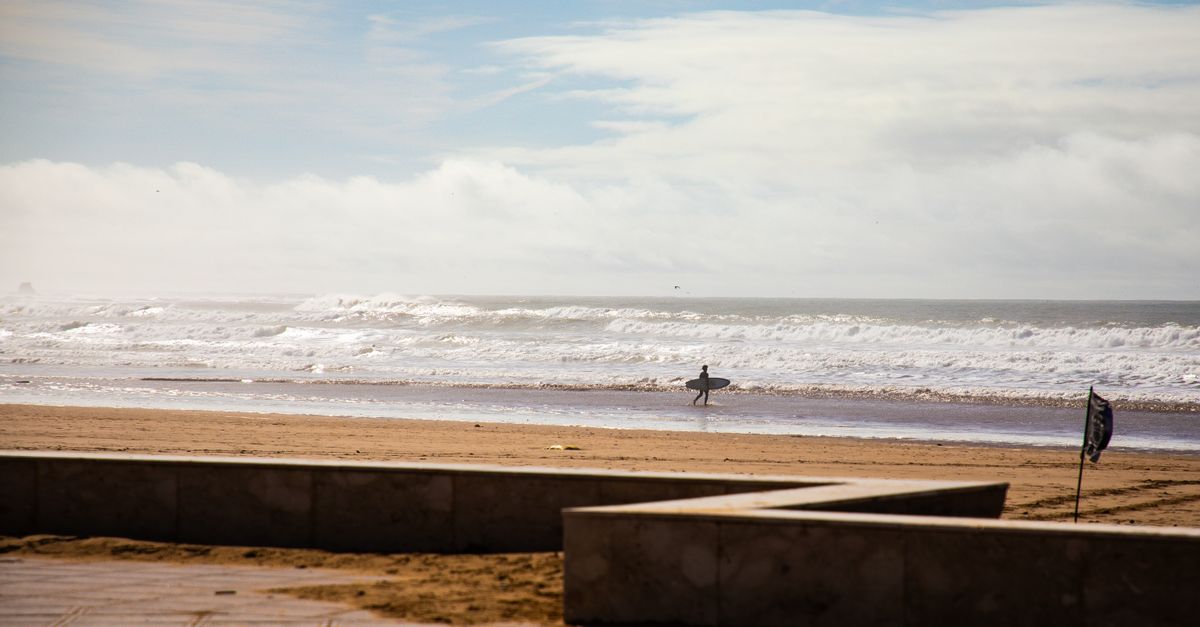
Tamraght is a small Berber village about 15 km north of Agadir, and most backpackers visit between November and March. During that season, surf hostels in Tamraght receive volunteers to help with reception, guest activities, and day-to-day operations. But landing reliable volunteers isn't automatic—it depends entirely on how you write and present your work-exchange opportunity.
A clear, honest listing attracts volunteers who will actually show up and stick around. Vague postings attract flaky applicants who disappear after a week. Your listing is your first impression, and getting it right means the difference between a volunteer who becomes part of your team and one who burns you halfway through their commitment.
Be specific about what you're actually asking for
The biggest mistake hosts make is writing listings so broad that volunteers don't know what they're signing up for. "A detailed list of responsibilities helps potential volunteers have a clear idea of what they will be asked to do."
Instead of writing "help around the hostel," break it down:
- Reception shifts: 6am–2pm, two days a week. Includes guest check-in, answering emails, booking questions.
- Kitchen prep: Thursday and Friday mornings, 7am–11am. Prep breakfast, wash dishes, restock supplies.
- Social shifts: Friday and Saturday evenings. Hang out in common areas, chat with guests, run the bar, maybe organize a game night.
Real Tamraght listings are already doing this well. One hostel lists: "assist with check-ins and check-outs, help during breakfast/dinner, interact with guests, and make sure common areas stay welcoming and tidy." That's specific enough that someone knows whether they can handle it.
State your hours clearly—and stick to them
4–5 hours a day with 2 days off is usually the standard while volunteering at a hostel, though some manage it differently with longer shifts and more days off. Write your schedule exactly as it is. Don't say "flexible" if you actually need someone 6 days a week.
Example: "We're looking for 4 hours a day, 5 days a week. Usually breakfast shifts 7am–11am or evening shifts 5pm–9pm. You can swap shifts with other volunteers if both of you agree."
Volunteers can plan around that. They can't plan around ambiguous wording.
Mention what they get in return—not just the obvious bed
Everyone knows work-for-stay includes free accommodation and usually meals. You still need to say it, but go deeper. What do you offer that someone won't get at the hostel two blocks away?
One Tamraght hostel describes: "Join our surf hostel team and help us create a space where people can relax, connect, and live mindfully by the ocean. You'll guide daily yoga sessions for guests and support the team with light daily tasks." That tells a volunteer they're not just washing dishes—they're building culture.
Consider listing:
- Free wifi and workspace (if you have it)
- Free surfboard access or discounts on lessons
- Laundry facilities
- Specific meal arrangements ("breakfast and dinner daily," not just "meals")
- Whether volunteers get their own room or bunk with other staff
- Time off rules and how flexible you actually are
On BUNK and other platforms, clarity on benefits gets better applicants because serious travelers aren't surprised when they arrive.
Tell them who you want—honestly
Don't just say "must be reliable." One host writes: "We're looking for someone reliable, proactive, and social, who understands that teamwork and responsibility are part of the experience as much as having time to explore and enjoy the waves." That tells volunteers this is a real job, not a holiday.
Hostels want to communicate with as many guests as possible, so if you speak a language no other staff member can, that's really going to help you stand out. If language skills matter to your hostel, say so:
"English required. French, Spanish, or Arabic a bonus."
If you need someone who won't flake on early shifts, say it:
"We need someone who commits to 6am–10am breakfast shifts at least 4 days a week. Reliability matters."
Volunteers who can't do that will self-select out. That's exactly what you want.
Set a clear minimum commitment
Most hostels prefer volunteers who stick around longer than a week, though you might be lucky and find a one-week volunteer.
Write it plainly: "Minimum 3 weeks. We really prefer 4–6 weeks because it takes time to train someone well."
Or if you need longer: "We're looking for someone for at least 2 months during high season (Nov–Mar). We value continuity."
Volunteers know what they're committing to. They're more likely to honor it.
Show that you're a real person, not a business form
Hosts want not only a great volunteer but a volunteer they themselves can connect with. Your listing should have a voice.
Instead of: "The hostel seeks a volunteer for reception duties."
Try: "I run a small 15-bed surf hostel with my partner, and we're slammed during winter. We need someone to run the front desk, book guests into rooms, and actually chat with people. If you like helping travelers figure out their next move, we want you."
The second one is human. It signals you care about who joins your team.
Mention training and what's negotiable
If you'll train someone on systems, say it. No matter someone's skill level, they will have a chance to learn, and your host will recognize what they're good at and place them where they're needed.
"We'll train you on our booking system, POS, and house rules. If you have kitchen experience, we'll lean on that. No experience? No problem—we'll teach you."
Also say what's fixed and what's not:
"Hours are fixed, but tasks are flexible. Bad at mornings? We'll put you on evenings and social shifts."
This tells people you're thinking about fit, not just extracting labour.
Timing matters—post in the right season
Usually, a couple of months in advance is the best timing to post a volunteer position. For Tamraght's November–March peak, start posting in August and September. Some places are more in demand than average, and in popular destinations during high season, it's worth making an extra effort to make your listing stand out.
That means updating it regularly, responding to applicants fast, and refreshing it if you don't find someone after two weeks.
Your listing is your sales pitch. Treat it like one. The more honest, specific, and human you are, the better volunteers you'll attract—and the longer they'll stay. On BUNK, that clarity pays off in applications that are actually a good fit.
Frequently asked questions
How do I attract people specifically on BUNK?
Write like you're talking to one person, not broadcasting. Tell your story. Share your hobbies and interests, travel experiences, and life goals. Volunteers on BUNK are looking for hosts they connect with, not just a free bed.
What if I get no applications?
Revisit your listing. Are the hours realistic? Is your commitment period too long? Is the tone off-putting? Look at how many other applications similar placements receive and consider whether your destination is popular during that season. Tamraght's high season is packed, so if you're posting off-season, you won't get many applicants, no matter how good your listing is.
How specific is too specific?
There's no such thing as too specific. The more detail you give, the fewer mismatches you'll have. Someone who reads a detailed listing and still applies is someone who actually wants the job.
Should I mention past volunteers?
Yes, if you have reviews or quotes. Real feedback like "Volunteering was incredible. I met amazing people and felt truly happy. I fell in love with Tamraght and the staff made me feel right at home" is gold. Even one positive review signals you're a good host.


