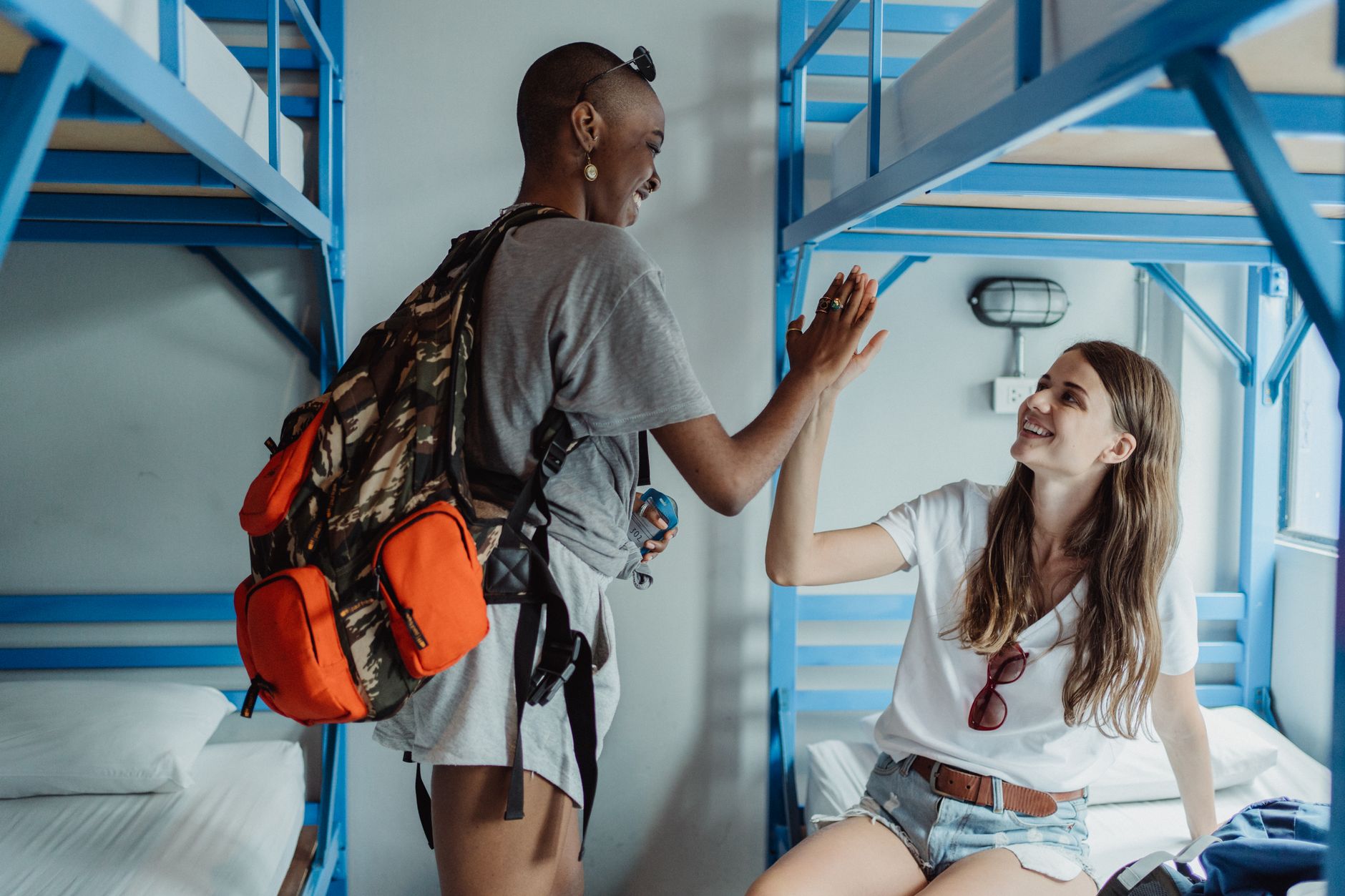
Things to do in Lagos, Portugal after your volunteer shift
Trading mornings at a Lagos hostel for a free bed? Here's how to spend the Algarve afternoons — sea caves, hidden cliff beaches, sunset spots and the tascas where locals actually eat.
Mara Okonkwo
Editor · 40+ countries on a backpacker budget

Lagos is the Algarve's backpacker capital — a walled old town on Portugal's southern coast where golden cliffs drop into impossibly turquoise water. If you're here on a work exchange, swapping a few hours at a hostel for a free bed, your afternoons are an open invitation to sea caves, hidden beaches and long Atlantic sunsets. Here's how to spend them like a local.
In summer Lagos fills with day-trippers who see the marina, one beach and the bar strip. As a volunteer living here for a few weeks, you get the better version: the cliff path at sunrise, the cove you reach by scrambling down a hidden stair, the family tasca two streets back from the tourist menus.
Sort your hours, then hit the coast
Hostel shifts in Lagos lean on reception, housekeeping and the famously social bar/event nights — often mornings and evenings — leaving the sun-drenched middle of the day for the water. Settle your schedule early so you can plan around the tides and the best light.
If you're still chasing the stay, Lagos is one of Europe's classic first work exchanges — see what's open and exactly where you'd sleep on the board.
Ponta da Piedade — the main event
The cliffs of Ponta da Piedade, just south of town, are the reason Lagos is famous: honeycombed golden rock, sea arches, grottoes and water the colour of a swimming pool. Do it two ways:
- From the water — rent a kayak or take a small grotto boat to paddle right into the caves. Go early before the wind and crowds.
- From above — walk the clifftop path from town past the lighthouse for free, jaw-dropping views the whole way.
Beach-hop the cliffs
Lagos has a beach for every mood, most within a walk:
- Meia Praia — a four-kilometre flat sweep of sand east of the marina, perfect for long swims and morning runs.
- Praia da Batata & Praia dos Estudantes — tucked right by the old town, linked by little tunnels and arches in the rock.
- Praia Dona Ana & Praia do Camilo — the postcard cliff beaches; Camilo's wooden staircase down to two coves is the iconic Algarve shot.
Hidden spots the locals know
What you learn from staying, not visiting:
- The cliff walk to Porto de Mós. Past Dona Ana, the coastal path keeps going to quieter beaches and clifftop views almost no day-tripper reaches — best at sunset.
- Tascas, not tourist menus. Walk two or three streets back from the marina and the tascas (small family restaurants) serve grilled sardines and the daily catch for half the strip's price.
- Sunrise over Meia Praia. The east-facing long beach is empty and gold at dawn — the locals' running and swimming hour.
- The Saturday market. The Mercado Municipal and the periodic street markets are where to load up on cheap fruit, cheese, olives and bread for self-catering.
Day trips for your day off
When you get a full day:
- Sagres & Cape St. Vincent — the wild, windswept south-western tip of Europe, with a clifftop fortress and Atlantic sunsets that feel like the edge of the world.
- The west-coast surf beaches — Arrifana and the beaches near Aljezur for bigger swell and a rawer, less-touristed coastline.
- Silves — an inland medieval town with a red sandstone Moorish castle, a short bus ride away.
You arrive thinking you'll do the Algarve in a week. Then you find your beach, and you stop looking.
Eat and drink like you live here
- Grilled sardines and the catch of the day — the Algarve eats from the sea; order it simply grilled with potatoes and salad.
- Cataplana — a seafood stew cooked in a copper clam-shell pot, the regional special worth splitting with friends.
- Pastel de nata and a bica — the custard tart and a short espresso, the daily Portuguese ritual.
- Sunset drinks — the bars around the marina and the old town spill out at golden hour; cheap vinho verde (young green wine) is the local pour.
Why staying beats visiting
A holiday in Lagos is one beach, one boat trip and the bar strip. A work exchange hands you the slow Algarve: the cliff path you walk every evening, the tasca owner who saves you a table, the cove at the end of the trail that feels like yours. Trade a few mornings, and the whole golden coast opens up.
Frequently asked questions
When is the best time to volunteer in Lagos?
The hostel season runs roughly April to October, peaking in the warm, busy summer when most work-exchange roles open up. May–June and September are the sweet spot — great weather, fewer crowds, and beds still need filling.
Is Lagos walkable without a car?
Yes. The old town, marina, and the main beaches (Meia Praia, Batata, Dona Ana) are all walkable or a short bus ride. A scooter or the local bus helps for the further cliff beaches and day trips.
Do I need to speak Portuguese?
No — Lagos is very international and English is widely spoken in hostels and on the tourist strip. But learning a few words (obrigado/a, bom dia) goes a long way with locals and the tasca owners.